产品中心
дома > Центр продуктов > Mixing drum > Mixing Drum for Large-Scale Mining and Mineral Processing

Mixing Drum for Large-Scale Mining and Mineral Processing

    Mixing Drum for Large-Scale Mining and Mineral Processing

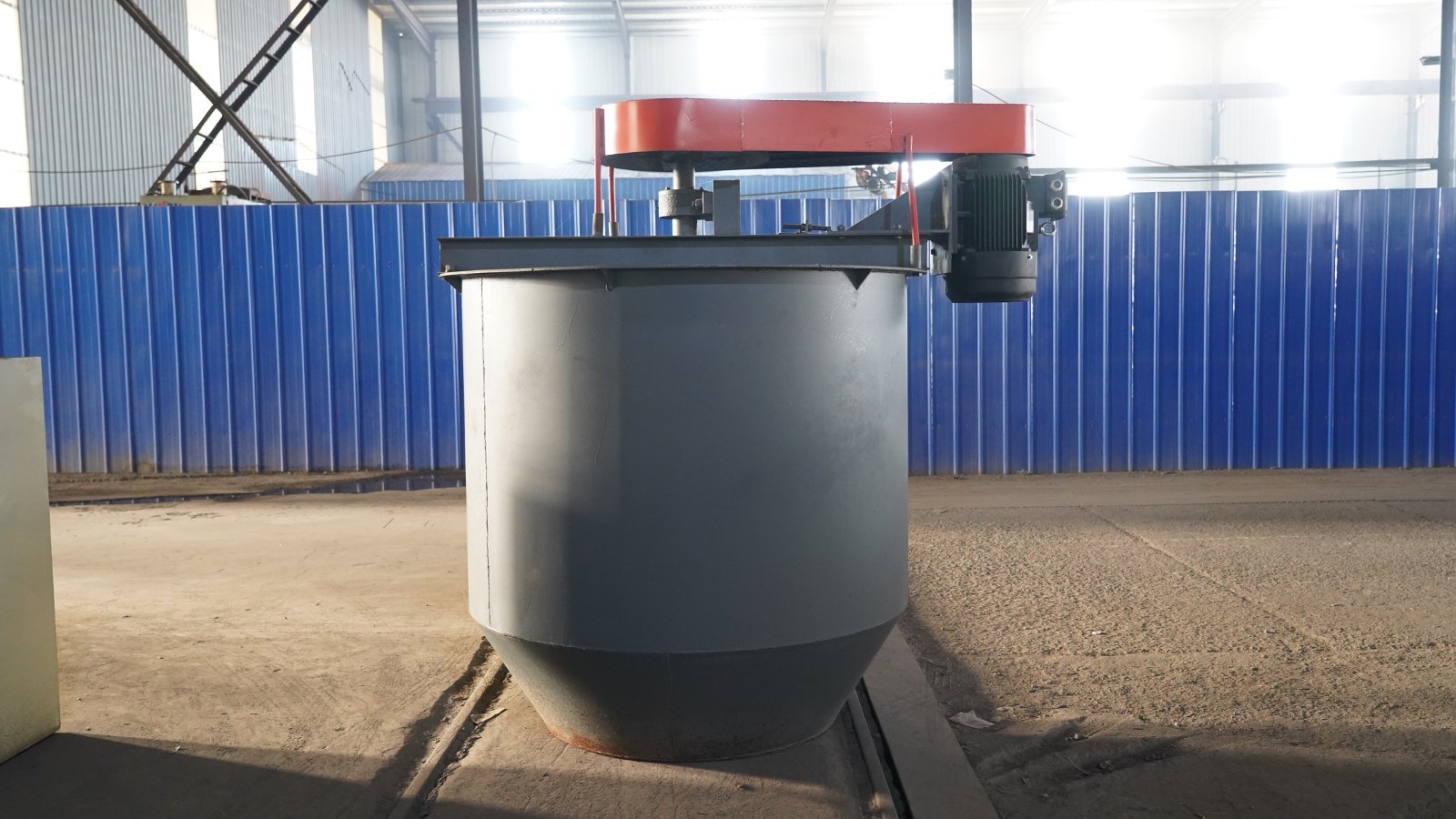
    The Mixing Drum for Large-Scale Mining and Mineral Processing is engineered for high-capacity blending of ores, minerals, and bulk materials in industrial operations. Built with durable, wear-resistant materials, it ensures continuous heavy-duty performance while minimizing maintenance requirements. Its optimized drum design and adjustable rotation speed provide uniform mixing of powders, granules, and coarse materials, enhancing product consistency and operational efficiency. The Mixing Drum for Large-Scale Mining and Mineral Processing supports energy-efficient operation, improves throughput...
  • делиться:
  • контакт Онлайн-запрос
  • почтовый ящик:jinzexuanmeijixie@gmail.com

Mixing Drum for Large-Scale Mining and Mineral Processing

Ensuring Efficient and Reliable Material Blending

High-capacity material mixing is a critical component of modern mining and mineral processing operations. Plants dealing with ores, industrial minerals, and aggregates require consistent blending to optimize downstream processes, maintain product quality, and reduce operational costs. Traditional mixers often face limitations when handling large volumes, abrasive materials, or continuous operation demands. The Mixing Drum for Large-Scale Mining and Mineral Processing addresses these challenges by combining robust construction, optimized drum geometry, and precise operational control, delivering uniform, high-performance blending for a variety of industrial applications.

Industry Background and Market Demand

The mineral processing sector has evolved under increasing production demands and stricter quality standards. Large-scale mining operations and processing plants now require mixers capable of handling high-volume batches while ensuring consistent homogeneity. Uneven blending can result in process inefficiencies, increased reprocessing, and product quality issues, impacting overall profitability. Additionally, with declining ore grades and more complex feed materials, reliable heavy-duty mixers are essential to maintain productivity and operational stability. The Mixing Drum for Large-Scale Mining and Mineral Processing meets these requirements by providing high throughput, durability, and low-maintenance performance.

Core Concepts and Technical Principles

The mixing drum operates on the principle of rotational blending, where materials are tumbled, sheared, and lifted within a cylindrical drum. Internal lifters or paddles enhance material turnover, ensuring uniform distribution of particles with varying sizes and densities. Adjustable rotation speed allows operators to tailor the mixing process to different feed characteristics, moisture levels, and batch volumes. Proper drum geometry and optimized lifter positioning minimize dead zones and prevent segregation, ensuring consistent homogenization. Compared with conventional mixers, the Mixing Drum for Large-Scale Mining and Mineral Processing achieves high blending efficiency while reducing energy consumption and mechanical stress.

Structural Design, Performance, and Materials

Durability and operational stability are paramount for heavy-duty mixing drums. The drum is fabricated from high-strength steel, with wear-resistant liners in areas exposed to high abrasion. Shafts, bearings, and lifters are constructed from robust alloys to withstand continuous industrial operation. The drum’s interior design maximizes mixing efficiency, facilitates material flow, and reduces accumulation, allowing for smooth operation even with challenging feed materials. Precision manufacturing and controlled welding processes ensure balanced rotation, minimal vibration, and long-term reliability. Modular design features allow quick replacement of critical components, reducing downtime and maintenance costs.

Mixing Drum for Large-Scale Mining and Mineral Processing Ensuring Efficient and Reliable Material Blending  High-capacity material mixing is a critical component of modern mining and mineral processing operations. Plants dealing with ores, industrial minerals, and aggregates require consistent blending to optimize downstream processes, maintain product quality, and reduce operational costs. Traditional mixers often face limitations when handling large volumes, abrasive materials, or continuous operation demands. The Mixing Drum for Large-Scale Mining and Mineral Processing addresses these challenges by combining robust construction, optimized drum geometry, and precise operational control, delivering uniform, high-performance blending for a variety of industrial applications.  Industry Background and Market Demand  The mineral processing sector has evolved under increasing production demands and stricter quality standards. Large-scale mining operations and processing plants now require mixers capable of handling high-volume batches while ensuring consistent homogeneity. Uneven blending can result in process inefficiencies, increased reprocessing, and product quality issues, impacting overall profitability. Additionally, with declining ore grades and more complex feed materials, reliable heavy-duty mixers are essential to maintain productivity and operational stability. The Mixing Drum for Large-Scale Mining and Mineral Processing meets these requirements by providing high throughput, durability, and low-maintenance performance.  Core Concepts and Technical Principles  The mixing drum operates on the principle of rotational blending, where materials are tumbled, sheared, and lifted within a cylindrical drum. Internal lifters or paddles enhance material turnover, ensuring uniform distribution of particles with varying sizes and densities. Adjustable rotation speed allows operators to tailor the mixing process to different feed characteristics, moisture levels, and batch volumes. Proper drum geometry and optimized lifter positioning minimize dead zones and prevent segregation, ensuring consistent homogenization. Compared with conventional mixers, the Mixing Drum for Large-Scale Mining and Mineral Processing achieves high blending efficiency while reducing energy consumption and mechanical stress.  Structural Design, Performance, and Materials  Durability and operational stability are paramount for heavy-duty mixing drums. The drum is fabricated from high-strength steel, with wear-resistant liners in areas exposed to high abrasion. Shafts, bearings, and lifters are constructed from robust alloys to withstand continuous industrial operation. The drum’s interior design maximizes mixing efficiency, facilitates material flow, and reduces accumulation, allowing for smooth operation even with challenging feed materials. Precision manufacturing and controlled welding processes ensure balanced rotation, minimal vibration, and long-term reliability. Modular design features allow quick replacement of critical components, reducing downtime and maintenance costs.  Factors Affecting Quality and Performance  Several variables influence the efficiency and reliability of industrial mixing:  Material Properties: Particle size distribution, density, and moisture content affect flow dynamics and mixing efficiency.  Rotation Speed and Drum Design: Correct adjustment ensures uniform blending while minimizing wear.  Batch Size and Load: Overloading can reduce homogeneity and accelerate component wear.  Maintenance Practices: Regular inspection and timely replacement of wear-prone parts sustain long-term performance.  Proper control and monitoring of these factors are essential for consistent product quality and efficient operation.  Supply Chain and Supplier Considerations  Selecting a reliable supplier ensures the mixing drum performs as expected over its operational life. Key considerations include:  Technical Expertise: Suppliers with mineral processing experience can recommend optimal drum configuration and integration.  Manufacturing Standards: Compliance with ISO or equivalent standards guarantees consistent material quality and durability.  Technical Support: Installation, commissioning, and spare part availability minimize operational disruptions.  Proven Performance: References or documented case studies demonstrate reliability under industrial conditions.  A trusted supplier reduces operational risk and ensures the drum meets performance expectations.  Common Industry Challenges  Heavy-duty mixing operations can face challenges such as accelerated wear with abrasive materials, inconsistent blending of high-moisture feeds, and operational variability due to fluctuating batch sizes. These challenges are mitigated by proper material selection, routine maintenance, and precise adjustment of drum speed and loading. Monitoring drum alignment and bearing lubrication further supports stable, long-term operation.  Application Scenarios and Use Cases  The Mixing Drum for Large-Scale Mining and Mineral Processing is widely applied in ore blending before flotation or grinding, ensuring consistent feed quality. In aggregate production, it homogenizes sands and gravels, improving downstream processing efficiency. Chemical and mineral plants use the drum for blending powders and granular materials, ensuring uniform composition and reducing segregation. Its versatility allows integration into both continuous and batch processing systems, making it suitable for diverse large-scale industrial applications.  Trends and Future Development  Industrial trends are moving toward automation, energy efficiency, and real-time process monitoring. Modern mixing drums are increasingly integrated with sensors to track rotational speed, load, and material flow, enabling dynamic operational adjustments. Advances in wear-resistant alloys and modular component design reduce maintenance frequency and operational costs. As industrial operations face more complex feed materials and higher quality standards, the Mixing Drum for Large-Scale Mining and Mineral Processing will remain central to achieving reliable, efficient, and sustainable material blending.  FAQ  Q: What types of materials can this drum handle? A: It can blend powders, granules, and bulk materials of various sizes, densities, and moisture levels.  Q: How does it minimize maintenance requirements? A: High-strength materials, wear-resistant components, and modular design reduce wear and simplify part replacement.  Q: Can it operate continuously under heavy-duty conditions? A: Yes, it is designed for continuous, stable operation, maintaining consistent blending performance in large-scale industrial processes.


Factors Affecting Quality and Performance

Several variables influence the efficiency and reliability of industrial mixing:

  • Material Properties: Particle size distribution, density, and moisture content affect flow dynamics and mixing efficiency.

  • Rotation Speed and Drum Design: Correct adjustment ensures uniform blending while minimizing wear.

  • Batch Size and Load: Overloading can reduce homogeneity and accelerate component wear.

  • Maintenance Practices: Regular inspection and timely replacement of wear-prone parts sustain long-term performance.

Proper control and monitoring of these factors are essential for consistent product quality and efficient operation.

Supply Chain and Supplier Considerations

Selecting a reliable supplier ensures the mixing drum performs as expected over its operational life. Key considerations include:

  • Technical Expertise: Suppliers with mineral processing experience can recommend optimal drum configuration and integration.

  • Manufacturing Standards: Compliance with ISO or equivalent standards guarantees consistent material quality and durability.

  • Technical Support: Installation, commissioning, and spare part availability minimize operational disruptions.

  • Proven Performance: References or documented case studies demonstrate reliability under industrial conditions.

A trusted supplier reduces operational risk and ensures the drum meets performance expectations.

Common Industry Challenges

Heavy-duty mixing operations can face challenges such as accelerated wear with abrasive materials, inconsistent blending of high-moisture feeds, and operational variability due to fluctuating batch sizes. These challenges are mitigated by proper material selection, routine maintenance, and precise adjustment of drum speed and loading. Monitoring drum alignment and bearing lubrication further supports stable, long-term operation.

Application Scenarios and Use Cases

The Mixing Drum for Large-Scale Mining and Mineral Processing is widely applied in ore blending before flotation or grinding, ensuring consistent feed quality. In aggregate production, it homogenizes sands and gravels, improving downstream processing efficiency. Chemical and mineral plants use the drum for blending powders and granular materials, ensuring uniform composition and reducing segregation. Its versatility allows integration into both continuous and batch processing systems, making it suitable for diverse large-scale industrial applications.

Trends and Future Development

Industrial trends are moving toward automation, energy efficiency, and real-time process monitoring. Modern mixing drums are increasingly integrated with sensors to track rotational speed, load, and material flow, enabling dynamic operational adjustments. Advances in wear-resistant alloys and modular component design reduce maintenance frequency and operational costs. As industrial operations face more complex feed materials and higher quality standards, the Mixing Drum for Large-Scale Mining and Mineral Processing will remain central to achieving reliable, efficient, and sustainable material blending.

FAQ

Q: What types of materials can this drum handle?
A: It can blend powders, granules, and bulk materials of various sizes, densities, and moisture levels.

Q: How does it minimize maintenance requirements?
A: High-strength materials, wear-resistant components, and modular design reduce wear and simplify part replacement.

Q: Can it operate continuously under heavy-duty conditions?
A: Yes, it is designed for continuous, stable operation, maintaining consistent blending performance in large-scale industrial processes.


Онлайн-сообщение

Пожалуйста, введите действительный адрес электронной почты.
код проверки Не может быть пустым

Связанные продукты

Нет результатов поиска!

Этот веб-сайт использует файлы cookie, чтобы обеспечить вам максимально эффективное использование нашего веб-сайта.


Принимать отклонять