

Improving Coal Processing with the KQT-C Dry-Process Mineral Separation Jig
In the mining industry, coal processing is a critical stage that determines the quality and efficiency of the final product. As the demand for high-quality coal continues to grow, the need for advanced processing technologies that enhance separation efficiency and reduce environmental impact becomes increasingly important. One such innovation is the KQT-C Dry-Process Mineral Separation Jig, a cutting-edge technology designed to improve coal preparation and optimize mineral separation processes. This article explores the KQT-C Jig, its core technology, and its impact on the coal processing industry.
The global demand for coal remains high due to its essential role in energy production, particularly in regions with heavy industrialization. However, the process of coal preparation has always been challenging, as it involves separating valuable coal from impurities such as ash and sulfur. Traditionally, wet separation methods have been employed to achieve this, but they often lead to high water usage, increased costs, and environmental concerns.
The mining industry is increasingly adopting dry separation technologies as an alternative. These methods not only reduce water consumption but also offer more energy-efficient and environmentally friendly processes. The KQT-C Dry-Process Mineral Separation Jig meets this demand by offering a precise, cost-effective, and environmentally sustainable solution for coal separation.
The KQT-C Dry-Process Jig is based on the principles of air-based separation. Unlike traditional wet separation methods, the dry-process jig uses differences in particle density and aerodynamic properties to achieve mineral separation. This process is efficient and minimizes the need for water, making it an attractive alternative for industries in water-scarce regions.
The jig works by creating a pulsating air current that causes particles of different densities to stratify. Heavier particles (such as coal) settle at the bottom, while lighter particles (like impurities) are lifted by the air stream. This method ensures a clean separation with minimal environmental impact, making it an ideal solution for coal processing in the 21st century.
The KQT-C Dry-Process Jig is designed with advanced structural features that ensure optimal performance in harsh mining environments. The main components include a vibrating bed, air pulsation system, and an integrated control system that allows for real-time monitoring and adjustment of parameters. The jig is built from high-quality materials that are resistant to wear and corrosion, ensuring longevity and low maintenance costs.
The jig's vibrating bed is typically made from durable steel, and the air pulsation system is powered by energy-efficient compressors. The control system utilizes sensors to monitor the separation process, adjusting air flow and vibration intensity to optimize performance. This allows for consistent separation efficiency even under fluctuating conditions.
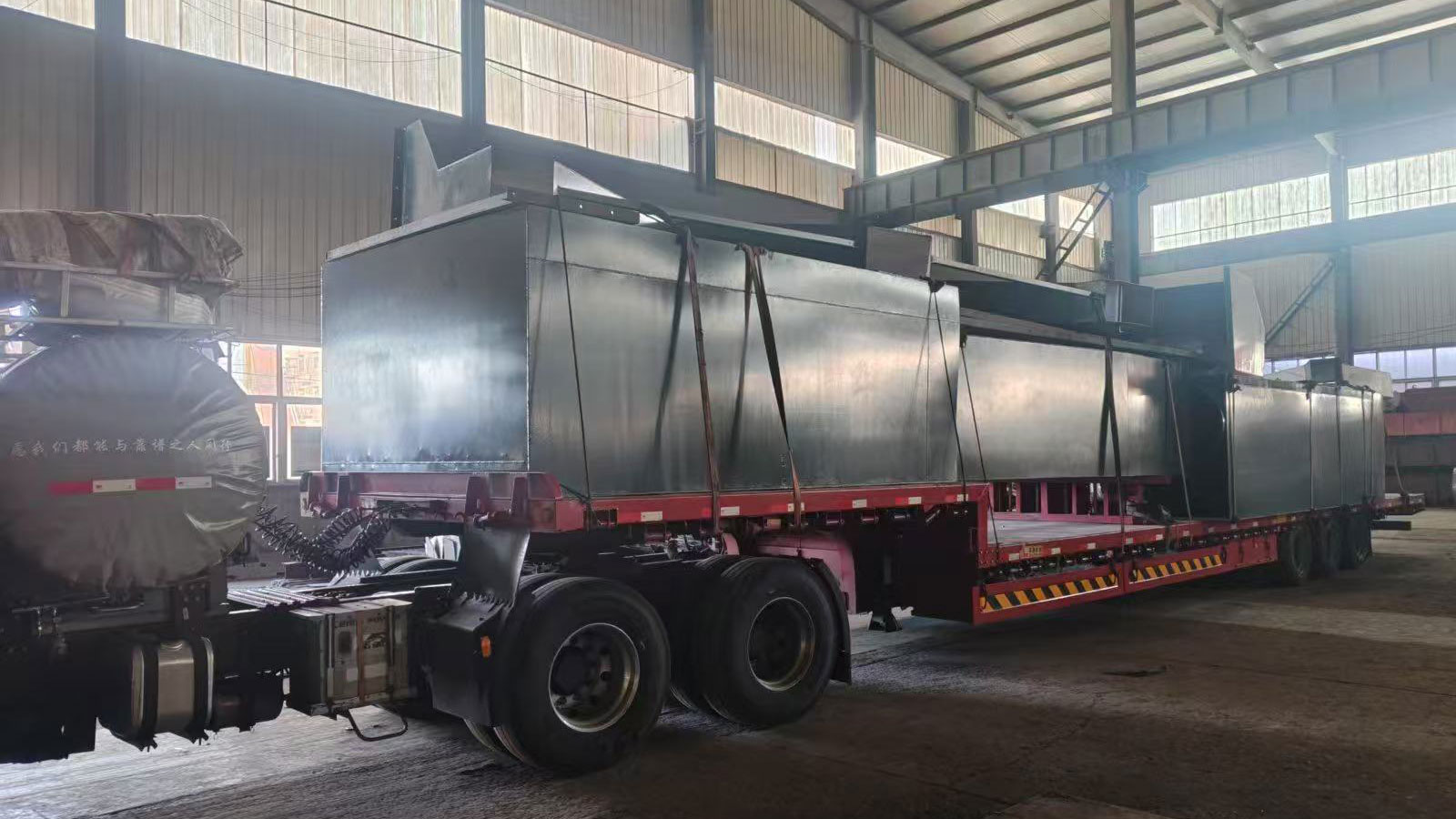
Several factors influence the performance of the KQT-C Dry-Process Jig. First and foremost is the particle size and density of the material being processed. For optimal separation, the material must be finely ground to a specific size range. If the particles are too large or too small, the separation efficiency may decrease.
The quality of the air pulsation system is another critical factor. The system must generate consistent, high-frequency pulses to effectively stratify particles. Variations in air pressure or flow rates can lead to suboptimal performance. Additionally, the uniformity of the vibrating bed is essential for achieving consistent separation.
Material properties, such as moisture content and particle shape, also play a role in performance. The KQT-C Dry-Process Jig is most effective when processing dry, granular materials with uniform particle shapes. Variations in these properties can cause fluctuations in the separation process, impacting the overall efficiency.
When selecting suppliers for the KQT-C Dry-Process Jig, key factors to consider include product quality, manufacturing capabilities, and technical support. The manufacturer must provide reliable, high-performance equipment capable of withstanding the rigors of mining environments. Suppliers should also offer comprehensive after-sales support, including installation, maintenance, and troubleshooting services.
Additionally, vendors should have a proven track record in the mineral processing industry. Look for companies that offer transparent communication, timely delivery, and competitive pricing. Partnering with a reliable supplier ensures that the equipment operates at peak performance and helps reduce downtime.
Despite its advantages, the coal processing industry faces several challenges. The most significant of these is the increasing demand for sustainable, environmentally friendly processing methods. Wet separation methods consume large amounts of water, contributing to water scarcity and increasing operational costs. Dry-process technologies like the KQT-C Jig help address this issue by reducing water consumption and waste generation.
Another challenge is the variability of coal feedstock. Differences in coal quality, particle size, and moisture content can affect separation efficiency. The KQT-C Jig addresses this issue through its adjustable air pulsation system and real-time monitoring features, which enable operators to adapt the process to changing feedstock conditions.
Finally, there is the challenge of maintaining high throughput and consistent separation efficiency in large-scale operations. The KQT-C Dry-Process Jig’s ability to handle varying load sizes while maintaining high separation accuracy makes it a valuable tool for large mining operations.
The KQT-C Dry-Process Mineral Separation Jig is particularly well-suited for coal processing applications where water conservation is a priority. It is also ideal for operations in arid regions where water availability is limited. Beyond coal, the technology can be adapted for use in other mineral processing applications, including iron ore and other industrial minerals.
In one notable case, a major coal mining operation in Australia adopted the KQT-C Jig to replace its traditional wet separation system. The results were impressive—water consumption was reduced by 50%, and coal recovery rates increased by 15%, leading to significant cost savings.
The future of coal processing lies in sustainable and energy-efficient technologies. The KQT-C Dry-Process Mineral Separation Jig is a prime example of this trend, offering a solution that minimizes environmental impact while improving separation efficiency. As regulatory pressures around water use and environmental impact increase, demand for dry separation technologies is expected to grow.
Looking ahead, innovations in automation, AI, and machine learning will likely play a significant role in further optimizing the KQT-C Jig. Advanced predictive analytics could help anticipate feedstock variability, optimize air pulsation settings, and further reduce operational costs.
1. How does the KQT-C Dry-Process Jig differ from traditional wet separation methods?
The KQT-C Jig uses air-based separation instead of water, significantly reducing water consumption and environmental impact. It also offers more energy-efficient and precise separation, particularly in arid regions.
2. What types of materials can be processed with the KQT-C Jig?
The KQT-C Jig is primarily used for coal processing but can also handle other mineral materials such as iron ore and industrial minerals, provided they meet the required particle size and density specifications.
3. What maintenance is required for the KQT-C Jig?
Routine maintenance includes checking the air pulsation system, inspecting the vibrating bed for wear, and monitoring the control system for optimal performance. The materials used in construction are designed to be durable and require minimal maintenance.
The KQT-C Dry-Process Mineral Separation Jig is an innovative solution that addresses the growing need for efficient and environmentally friendly coal processing. By utilizing air-based separation technology, it reduces water consumption, lowers operational costs, and enhances separation efficiency. As the mining industry continues to prioritize sustainability, the KQT-C Jig stands out as a forward-thinking technology that will play a crucial role in the future of mineral processing.
Tel : +86-315-5282855
E-mail : jinzexuanmeijixie@gmail.com
Address : 1.6 km south of Xinjichang Road,
Tangshan City, Hebei Province, China

Copyright © 2017.Company name All rights reserved.More Templates


Этот веб-сайт использует файлы cookie, чтобы обеспечить вам максимально эффективное использование нашего веб-сайта.

 English
 Español
 Tiếng Việt
 Монгол



 WhatsApp
 телефон
Комментарий
(0)