

Efficient Screening and Crushing Equipment for Modern Coal Processing
Coal processing plants operate under increasing pressure to deliver consistent product quality while controlling operating costs and meeting environmental requirements. Screening and crushing equipment forms the foundation of coal preparation, directly influencing downstream separation efficiency, plant throughput, and overall reliability. As coal feed characteristics become more variable and production scales continue to grow, modern coal processing demands equipment solutions that combine precision, durability, and operational flexibility.
The global coal industry serves both thermal power generation and metallurgical applications, each with strict specifications for particle size distribution and impurity control. Power plants require uniform coal sizing to ensure stable combustion and reduced emissions, while steel producers depend on carefully prepared coal to achieve predictable coking behavior. Traditional equipment configurations often struggle with high moisture content, abrasive materials, and fluctuating feed rates. These challenges have driven market demand for efficient screening and crushing equipment capable of maintaining performance under continuous, high-load operation.
Screening and crushing processes are designed to reduce raw coal to specified size ranges and separate oversized or undersized material before further treatment. Crushing relies on controlled mechanical forces, such as compression, impact, or shear, to achieve size reduction without excessive fines generation. Screening equipment classifies material based on particle size using vibrating decks, screens, or modular panels. Modern systems integrate optimized crushing chamber geometry, adjustable discharge settings, and high-efficiency vibration control to ensure accurate sizing and stable material flow throughout the processing line.
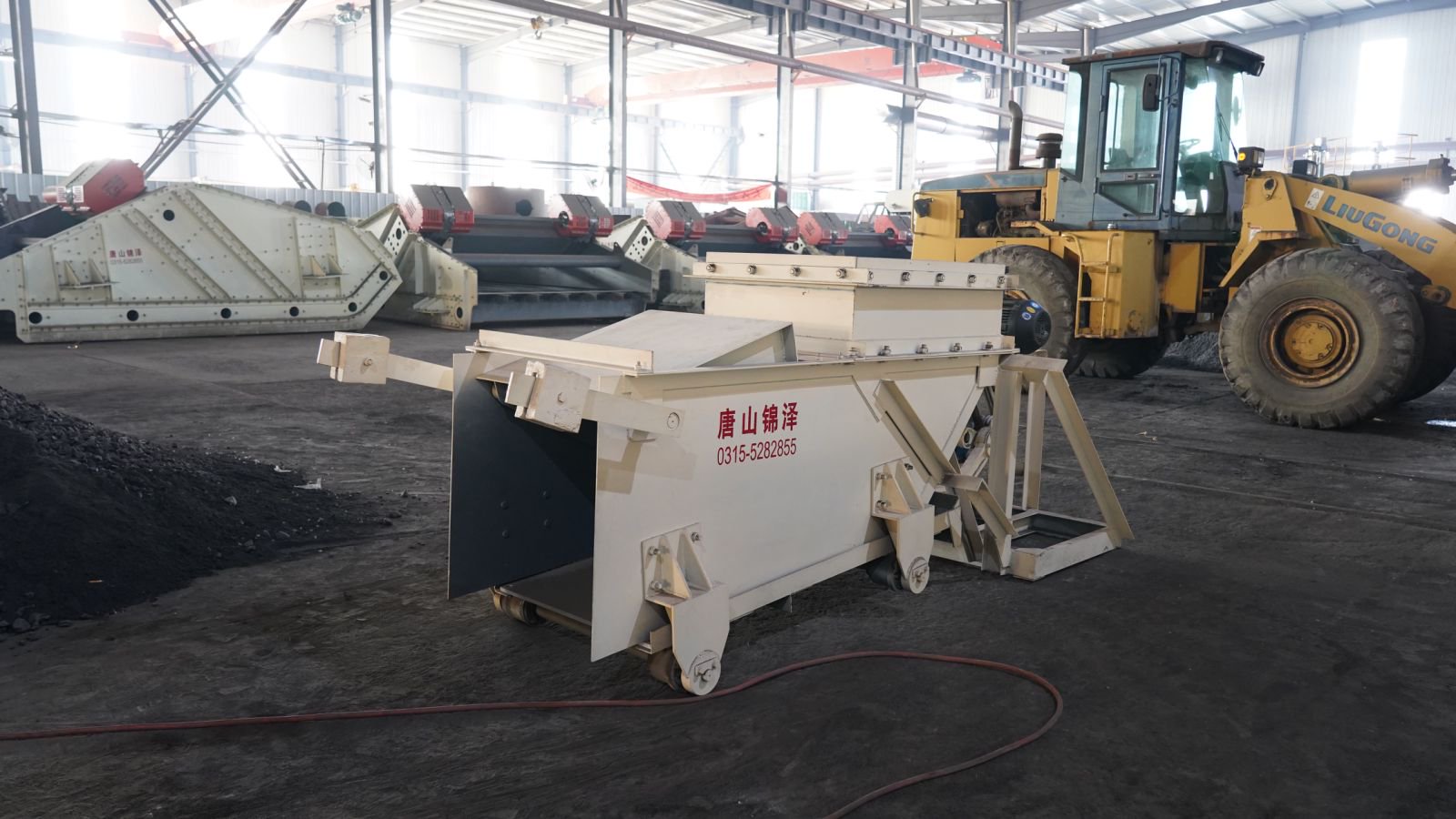
A typical screening and crushing system includes primary and secondary crushers, vibrating or roller screens, feed hoppers, transfer chutes, and supporting structures. Crushers are commonly manufactured from high-strength alloy steel to withstand impact loads, while wear-prone components are protected with hardened liners or composite materials. Screening decks utilize abrasion-resistant screen media designed for long service life and efficient separation. Manufacturing processes emphasize precision machining, controlled welding procedures, and rigorous quality inspection to ensure dimensional accuracy and structural integrity. Performance is evaluated based on throughput capacity, size reduction ratio, screening efficiency, and energy consumption per ton of processed coal.
Several variables affect the effectiveness of screening and crushing operations. Feed size and hardness directly influence crusher selection and operating parameters. Excessive moisture can cause material adhesion, reducing screening efficiency and increasing downtime. Equipment wear alters crushing geometry and screen apertures, impacting product consistency. Additionally, uneven feed distribution may lead to localized overloading and premature component failure. Effective system design accounts for these factors through proper equipment sizing, flow control, and regular condition monitoring.
Choosing suitable equipment suppliers is a strategic decision for coal processing operations. Key criteria include demonstrated experience in coal applications, compliance with international engineering standards, and the ability to tailor solutions to specific feed characteristics. Availability of spare parts, technical documentation, and long-term service support also plays a critical role in minimizing lifecycle costs. A reliable supply chain ensures consistent equipment performance and reduces the risk of extended production interruptions.
Coal preparation plants frequently encounter issues such as excessive fines generation, high maintenance requirements, and inconsistent product sizing. Abrasive coal materials accelerate wear on crushing components and screen surfaces, leading to frequent replacements. Dust generation and noise control are additional concerns, particularly in facilities operating near populated areas. Addressing these challenges requires robust equipment design, effective wear protection strategies, and optimized process control.
Efficient screening and crushing equipment is widely applied in surface and underground coal mines, coal preparation plants, and integrated processing facilities. In large-scale operations, multi-stage crushing combined with high-capacity screening ensures stable feed for washing or separation processes. For example, a modern coal plant may use primary crushing to handle run-of-mine material, followed by secondary crushing and screening to produce consistent size fractions for thermal coal blending. Smaller facilities benefit from modular equipment configurations that allow flexible capacity expansion and simplified maintenance.
Technological development in coal processing increasingly focuses on automation, energy efficiency, and reduced environmental impact. Screening and crushing equipment is being enhanced with digital monitoring systems that track vibration, wear, and throughput in real time. Predictive maintenance tools are helping operators anticipate component replacement and avoid unplanned downtime. Future solutions are expected to emphasize lower energy consumption, improved fine particle control, and adaptable designs capable of responding to variable feed conditions, supporting more resilient and sustainable coal processing operations.
How does moisture affect screening performance?
High moisture content can cause material buildup on screen surfaces, reducing separation efficiency and increasing cleaning requirements.
What determines crusher selection for coal processing?
Key factors include feed size, coal hardness, desired product size, and required throughput.
How can equipment wear be managed effectively?
Using appropriate wear-resistant materials, maintaining proper operating parameters, and implementing regular inspection schedules helps extend service life.
Efficient screening and crushing equipment plays a central role in modern coal processing by ensuring accurate size control, stable throughput, and reliable plant operation. Through thoughtful equipment selection, robust manufacturing, and proactive maintenance strategies, coal preparation facilities can overcome common operational challenges and meet evolving market demands. As technology continues to advance, screening and crushing systems will remain essential to achieving efficient, cost-effective, and sustainable coal processing.
Tel : +86-315-5282855
E-mail : jinzexuanmeijixie@gmail.com
Address : 1.6 km south of Xinjichang Road,
Tangshan City, Hebei Province, China

Copyright © 2017.Company name All rights reserved.More Templates


Этот веб-сайт использует файлы cookie, чтобы обеспечить вам максимально эффективное использование нашего веб-сайта.

 English
 Español
 Tiếng Việt
 Монгол



 WhatsApp
 телефон
Комментарий
(0)